Over 15 years of experience
that you can rely on.
that you can rely on.
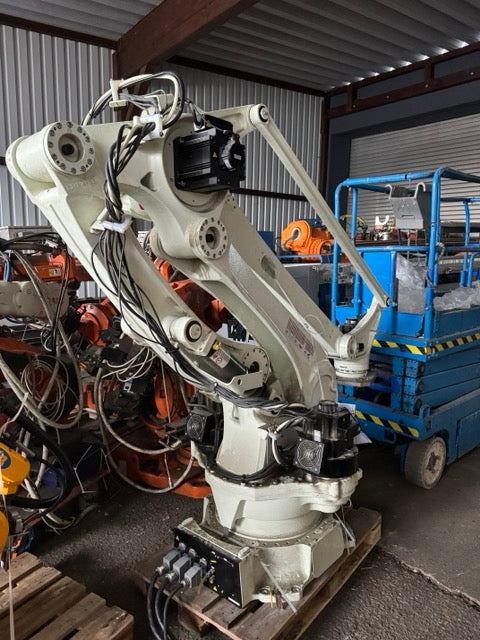
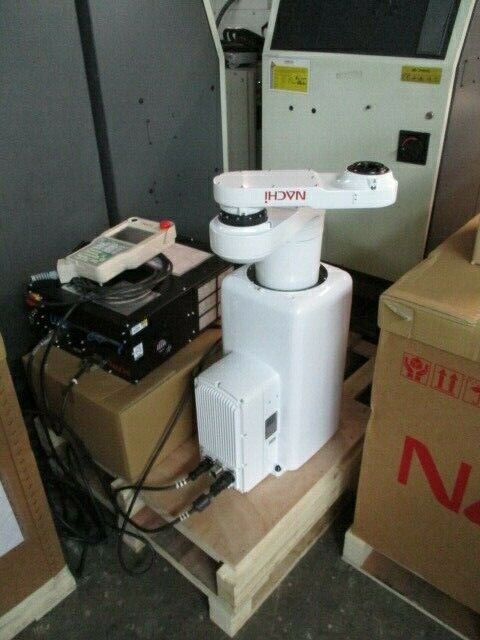
In this category, you'll find industrial robots, both new and inspected used, suitable for production, assembly, and automation. We carry systems from manufacturers including ABB Robotics , KUKA ,FANUC , Kawasaki , and YASKAWA Motoman – each with a clear description of the controller, number of axes, and scope of delivery. If you need to automate quickly and want to carefully balance budget and availability, you've come to the right place. For a quick selection, you can filter directly within the robot collection or contact us.
ABB Robotics IRB 1400 compact welding cell with manual rotary table and Fronius TPS 4000 welding machine Overall dimensions: approx. 4000x2350mm ...
View full detailsRobot ABB Robotics IRB 120 IRC5 M2004, built in 2010 Control: IRC5 M2004 Number of axes: 6 Max. load capacity: 3 kg max. working area: 600 mm Year...
View full detailsRobot ABB Robotics IRB 140 IRC5 M2004, built in 2010 Control: IRC5 M2004 Number of axes: 6 Max. load capacity: 6 kg max. working area: 810 mm Ye...
View full detailsRobot ABB Robotics IRB 140 S4C+M2000 Control: S4C+ M2000 Number of axes: 6 Max. load capacity: 6 kg max. working area: 810 mm Year of construct...
View full detailsRobot ABB Robotics IRB 1400 S4C + M2000 with rotary table and Fronius TPS 3200 as well as torch cleaner Fronius Number of axes: 6 Max. load capa...
View full detailsRobot ABB Robotics IRB 1400 S4C + M2000 with welding machine Fronius Transsynergic 4000 and cleaner TC 1000 Number of axes: 6 Max. load capacity...
View full detailsRobot ABB Robotics IRB 1400 complete Control: S4C-M98 Max. working radius: approx. 1450 mm Load capacity: 5 kg Year of construction: 1998 Scope...
View full detailsRobot ABB Robotics IRB 2400/16 IRC5 M2004, year 12/2007 Control: IRC5 M2004 Number of axes: 6 Max. load capacity: 16 kg max. working a...
View full detailsRobot ABB Robotics IRB 2400/16 S4C M98 Control: S4C M98 Number of axes: 6 Max. load capacity: 16 kg max. working area: 1550 mm Year of constructio...
View full detailsRobot ABB Robotics IRB 2400L Type B IRC5 M2004, year 2011, DeviceNet Control: IRC5 M2004 Number of axes: 6 Max. load capacity: 7 kg max. working ra...
View full detailsRobot ABB Robotics IRB 2600 12/1.85 IRC5 M2004, complete Control: IRC5 M2004 Number of axes: 6 Max. load capacity: 12 kg max. working area: 185...
View full detailsRobot ABB Robotics IRB 6400R 2.5-150 M99 complete, Profibus Control: S4C M99 Number of axes: 6 Max. load capacity: 150 kg Max. working area: app...
View full detailsRobot ABB Robotics IRB 6600 175/2.8 Control: IRC5 M2004 Number of axes: 6 Max. load capacity: 175 kg max. working area: 2800 mm Scope of deliver...
View full detailsRobot ABB Robotics IRB 6600 175/2.8 S4C+M2000 Control: S4C+M2000 Number of axes: 6 Max. load capacity: 175 kg max. working area: 2800 mm Year of...
View full detailsRobot ABB Robotics IRB 6400RF 2.5/200 S4C+ M2000 Control: S4C+ M2000 Number of axes: 6 Max. load capacity: 200 kg Max. working area: approx. 250...
View full detailsRobot ABB Robotics IRB6650 Foundry 200/2.75 S4C+ M2000, Profibus Control: S4C+ M2000 Number of axes: 6 Max. load capacity: 200 kg max. working a...
View full detailsRobot stud welding robot for thread M5 (convertible) KUKA KR 180 KRC2 complete Control: KRC2 Number of axes: 6 Max. load capacity: 180 kg Max. wo...
View full detailsRobot Fanuc LR Mate 200iB R-J3iB Control R-J3iB Number of axes: 6 Max. load capacity: 7 kg Max. working area: approx. 717 mm radius Year ...
View full detailsRobot Fanuc LR Mate 200iC/5L R30iA Control: R30iA Year of manufacture: 11/07 Number of axes: 6 Max. load capacity: 5 kg Max. working are...
View full detailsRobot Fanuc S-500iB, R-J3iB with 7th axis/motor Year of construction: 8/2006 Controller: R-J3iB Number of axes: 6 Max. load capacity: 15 kg Max. ...
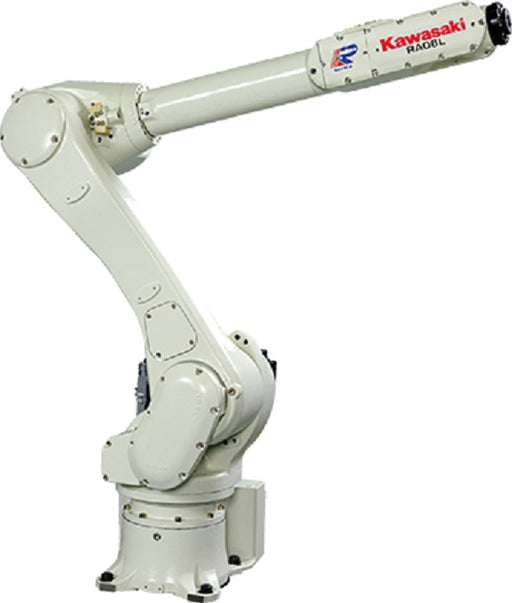
View full detailsRobot Kawasaki RA006L E-Controller new & original packaging Year of manufacture 02/2018 Control: FE1 E-Controller max. load capacity: 6 kg M...
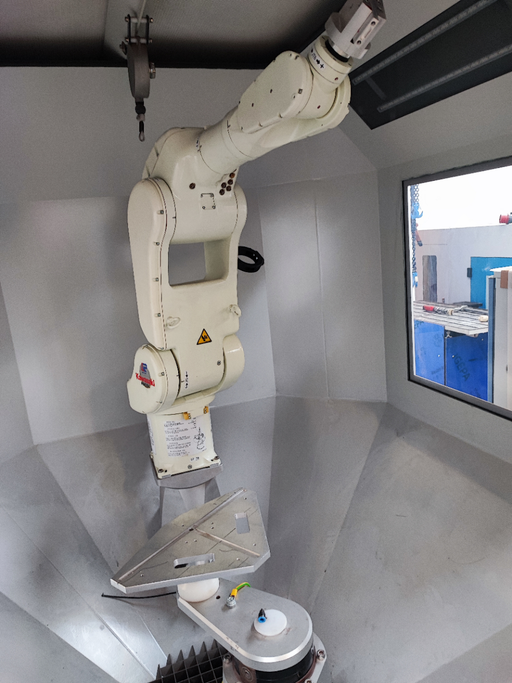
View full detailsRobot Kawasaki RS05L E-Controller with cabin Control: E-Controller Number of axes: 6 Max. load capacity: 5 kg max. working area: 902 mm Year of ...
View full detailsRobot console robot KUKA KR16 KS KRC2ed05 Bj.2006 Euromap 67 Extension not present in the picture Control: KRC2ed05 Number of axes: 6...
View full detailsRobot KUKA KR 180 Series 2000 with 3m travel axis Max. weight: 180 kg max. reach: 2700 mm max. payload: 180kg Dimensions: 2700mm Number of axes: 7 ...
View full detailsWhether used, new, or factory-sealed: what matters is what fits your technical requirements, timeline, and budget. Used products often offer a clear price advantage and are frequently available at short notice. New or sealed units, on the other hand, come with current technology and a long remaining service life.
We make the condition transparent—for example with details on year of manufacture, operating time, and testing prior to shipment— and we’ll discuss openly which option makes the most economic sense. This way, you can decide with confidence whether used or new components are the better fit for your project.
Behind this offer is an owner with over 15 years of experience in automation and robotics. Instead of standardized replies, you get direct, expert advice—by phone, email, or via our contact form.
If you briefly share your application, rough technical requirements, and budget, we’ll propose suitable solutions and check which units are currently available or can be sourced at short notice. The goal is always a pragmatic, reliable recommendation so you can plan your project with confidence.